
Why Online Food Delivery Is More Popular Than Ever
Online food delivery has transformed from a convenience into an essential part of modern life. Over the past few years, its popularity has surged dramatically, driven by changing lifestyles, technological advancements, and shifting consumer expectations.
One of the main reasons behind this rise is convenience. People today lead increasingly busy lives, balancing work, family, and social commitments. Cooking at home or dining out is not always practical. With just a few taps on a smartphone, users can order their favorite meals and have them delivered straight to their doorstep. This ease of access has made food delivery a preferred choice for many.
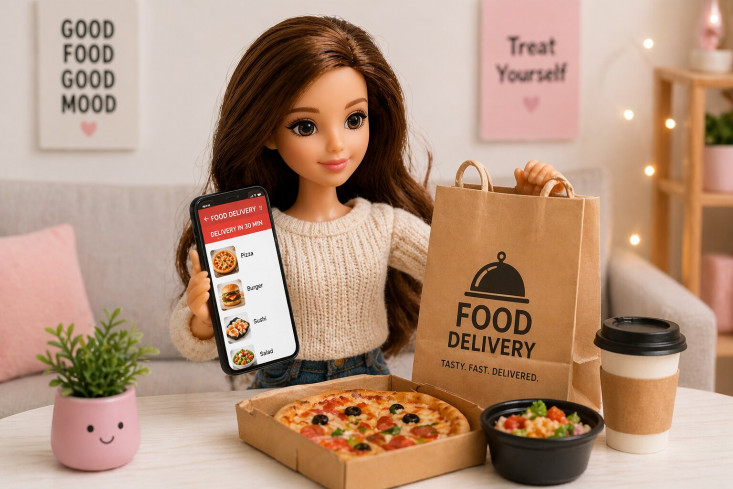
Technology has also played a crucial role. Advanced mobile apps now offer user-friendly interfaces, real-time tracking, secure payment options, and personalized recommendations. Features like estimated delivery times and live tracking provide transparency and build trust, enhancing the overall customer experience.
Another key factor is the wide variety of choices available. Online platforms bring together multiple restaurants, cuisines, and price ranges in one place. Whether someone is craving fast food, traditional meals, or healthy options, everything is easily accessible. This level of variety was not possible with traditional dining or takeaway methods.
The COVID-19 pandemic further accelerated the growth of online food delivery. During lockdowns and social distancing measures, people relied heavily on delivery services for their daily meals. Even after restrictions were lifted, the habit of ordering food online remained, becoming a regular part of life for many consumers.
Promotions and discounts have also contributed significantly to its popularity. Food delivery platforms frequently offer deals, loyalty programs, and free delivery options, making it more affordable and attractive compared to dining out. These incentives encourage repeat usage and customer retention.
Additionally, the rise of cloud kitchens—restaurants that operate exclusively for delivery—has expanded the industry. These businesses reduce operational costs and focus entirely on fulfilling online orders, improving efficiency and speed.
However, it’s not just about convenience and cost. Changing social behavior plays a role too. People now prefer enjoying meals at home while watching movies, working remotely, or spending time with family. Food delivery aligns perfectly with this lifestyle shift.
In conclusion, the growing popularity of online food delivery is the result of convenience, technology, variety, and evolving consumer habits. As innovations continue and services become even more efficient, online food delivery is expected to remain a dominant force in the food industry for years to come.


